
Why Health and Wellness Professionals Need Automation Now
Health Automation, Wellness Professionals, Practice Management
Health and wellness practices are busier than ever, yet many still rely on manual processes that drain time, increase errors, and limit growth. Strategic health automation is no longer a luxury; it is becoming a core capability for every serious wellness professional who wants to deliver consistent, high-quality care while running an efficient, profitable practice.
The Need for Automation
Wellness professionals—whether nutritionists, therapists, health coaches, or integrative practitioners—are trained to focus on people, not paperwork. However, administrative tasks such as scheduling, intake, documentation, billing, and follow-ups often consume a significant portion of the workday. Health automation addresses this imbalance by handling repeatable processes reliably in the background, freeing professionals to focus on client outcomes and strategic growth.
Automated workflows reduce no-shows, minimize billing delays, and ensure that every client receives timely communication. In a competitive market, practices that embrace automation can respond faster, deliver a more consistent experience, and scale without sacrificing quality or burning out their teams.
The Role of Health Automation in Modern Practice Management
Effective practice management depends on accurate data, clear processes, and seamless coordination between staff, systems, and clients. Health automation connects these elements by standardizing routine tasks across the client journey. For example, automated scheduling can send appointment reminders, confirm attendance, and offer waitlist options without manual intervention.
Streamlined digital intake forms that feed directly into client records
Automated invoicing and payment reminders to improve cash flow
Task automation for follow-up sessions, lab reviews, or progress check-ins
When practice management systems are automated, leaders gain real-time insight into key metrics such as utilization, revenue, and client retention. This enables data-driven decisions about staffing, service offerings, and marketing, rather than relying on guesswork or fragmented spreadsheets.

Centralized dashboards turn daily operations into clear, actionable insights.
Elevating Client Engagement Through Automation
Client engagement is a critical driver of outcomes in health and wellness. Behavior change requires consistent touchpoints, education, and encouragement. Automation can support this work by delivering personalized, timely communication at scale. For instance, automated email or SMS sequences can share pre-visit instructions, post-session summaries, educational resources, and reminders to complete action plans or check-ins.
Rather than replacing human connection, these tools extend it between sessions. Clients feel supported and informed, while wellness professionals maintain visibility into adherence and progress. Automated satisfaction surveys and feedback forms also provide structured insight into what is working and where the client experience can be improved, strengthening long-term relationships.
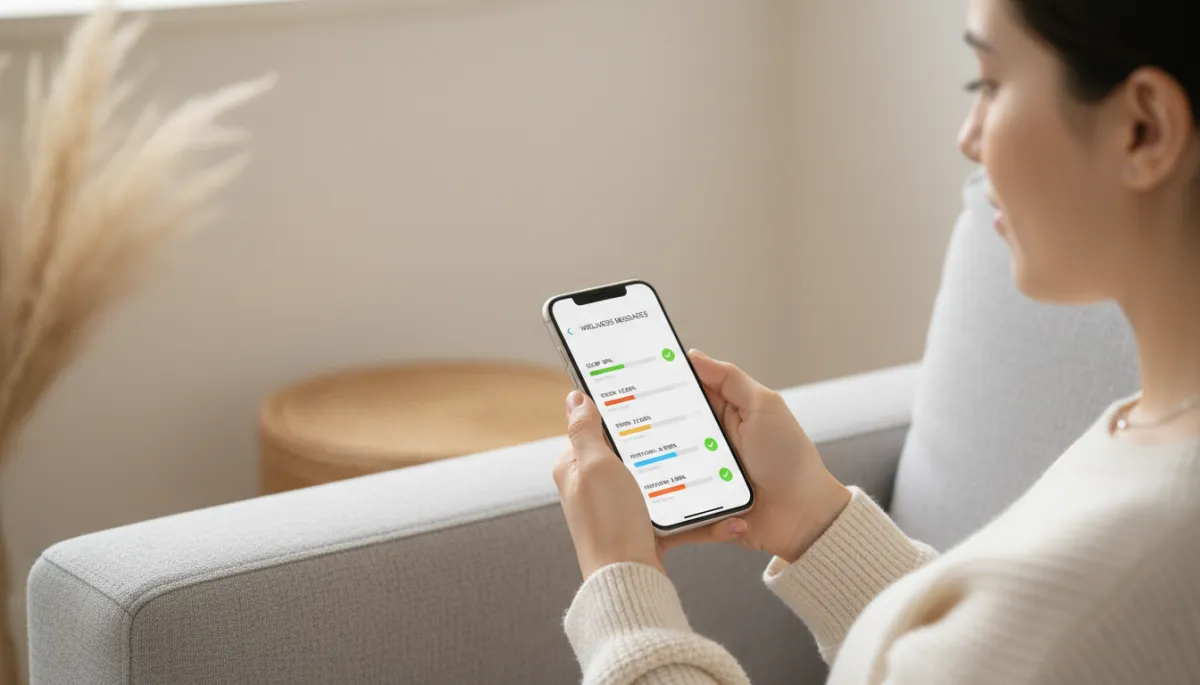
Automated touchpoints keep clients engaged and accountable between sessions.
📌 Key Takeaway: Thoughtful automation enhances client engagement by delivering consistent, personalized support without adding to your workload.
Building a Sustainable, Scalable Wellness Practice
Ultimately, health automation is about sustainability—for your clients, your team, and your business. By reducing administrative burden, standardizing practice management, and strengthening client engagement, automation allows wellness professionals to operate at a higher level of impact. It supports better outcomes, more predictable revenue, and a more balanced workload.
The most successful practices are not necessarily the largest; they are the ones that intentionally design systems to support both care and operations. Investing in the right automation tools today positions health and wellness professionals to adapt to changing client expectations, regulatory demands, and market conditions—while preserving the human-centered care that defines the profession.